
Universal Testing Machines (UTMs) stand as indispensable assets in various industries due to their ability to provide precise data on mechanical properties essential for material assessment sieve test. From ensuring quality control to driving innovation, these machines are pivotal in guaranteeing the reliability and safety of materials in critical applications. However, beyond their conventional roles, UTMs hold the potential to revolutionize the way we perceive material behavior and enhance our understanding of structural integrity. The intricate interplay between technology and materials continues to unveil new possibilities and applications for UTMs, making them indispensable instruments in the pursuit of excellence and advancement in modern industries.
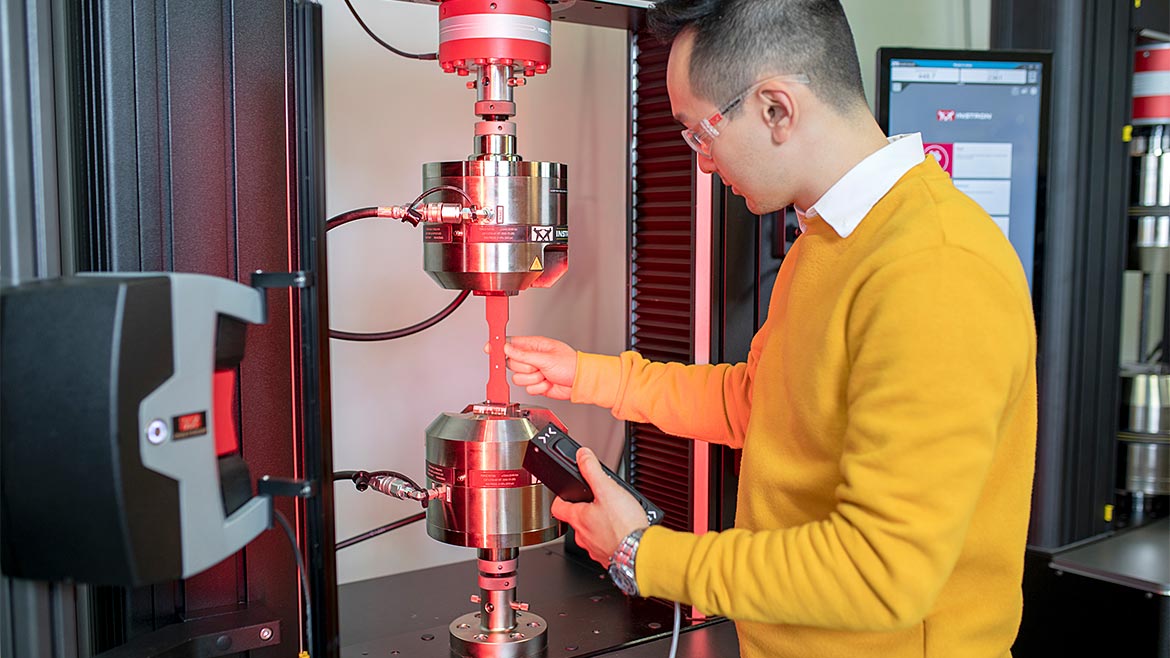
Key Functions of UTMs
In the realm of materials testing, Universal Testing Machines (UTMs) serve as indispensable tools for evaluating the mechanical properties of various materials. One of the key functions of UTMs is tensile testing, which involves applying a controlled tension force to a material sample until it breaks test sieve shaker. This test helps determine crucial properties such as ultimate tensile strength, yield strength, and elongation.
Additionally, UTMs can perform compression tests, where a compressive force is applied to assess parameters like compressive strength and deformation characteristics. Another essential function of UTMs is flexural testing, which evaluates a material’s behavior under bending loads. This test is vital for materials used in structural applications.
Furthermore, UTMs can conduct fatigue testing to assess how a material withstands repeated loading over time. By providing precise and reliable data on material behavior, UTMs play a pivotal role in ensuring the quality and safety of diverse products in industries such as automotive, aerospace, construction, and manufacturing.
Importance in Material Testing
Given the pivotal role UTMs play in evaluating mechanical properties, their importance in material testing cannot be overstated. UTMs are essential tools for assessing the behavior of materials under various conditions like tension, compression, flexure, and fatigue. They provide crucial data on parameters such as tensile strength, yield strength, modulus of elasticity, and elongation, aiding in the characterization of material properties.
Material testing using UTMs is vital in industries such as manufacturing, construction, aerospace, and automotive, where the quality and reliability of materials are paramount. By subjecting samples to controlled stress and strain, UTMs help in determining material performance, durability, and suitability for specific applications.
Additionally, material testing with UTMs enables engineers and researchers to make informed decisions regarding material selection, design optimization, and quality control. Overall, the significance of UTMs in material testing lies in their ability to deliver accurate, repeatable, and standardized results that drive innovation and advancement in various sectors.
Impact on Quality Assurance
Universal Testing Machines play a crucial role in maintaining Quality Control Efficiency by providing accurate and reliable data on material properties. This ensures consistency in manufacturing processes, leading to products meeting specified quality standards.
The impact of these machines on Quality Assurance is fundamental in upholding the integrity and reliability of products in various industries.
Quality Control Efficiency
How does the efficiency of quality control processes impact overall quality assurance in manufacturing industries?
Quality control efficiency plays a critical role in maintaining high standards of quality assurance. By streamlining and optimizing quality control processes, manufacturing industries can detect defects and deviations more promptly, ensuring that products meet specifications and standards consistently.
Efficient quality control also enhances productivity by minimizing rework and waste, ultimately leading to cost savings. Universal Testing Machines contribute significantly to quality control efficiency by providing accurate and reliable testing data, enabling manufacturers to make informed decisions quickly.
Consistency in Manufacturing
Ensuring consistency in manufacturing processes is paramount for upholding quality assurance standards in the industry. Consistency plays a crucial role in maintaining product quality, as even minor variations in manufacturing can lead to defects or performance issues.
Universal Testing Machines (UTMs) aid in this aspect by providing precise data on material properties and performance, enabling manufacturers to make informed decisions to enhance consistency. By conducting thorough testing using UTMs, manufacturers can identify deviations early in the production process, allowing for timely adjustments and improvements.
This proactive approach not only helps in preventing defects but also ensures that products meet stringent quality standards consistently. Ultimately, the integration of UTMs in manufacturing processes contributes significantly to achieving and maintaining high levels of quality assurance.

Role in Research and Development
A crucial component of advancing scientific knowledge and technological innovations, universal testing machines play a pivotal role in driving progress within research and development endeavors. These machines enable researchers to evaluate the mechanical properties of various materials and components with precision and accuracy. By subjecting specimens to controlled conditions and measuring their responses, scientists can gather valuable data that informs the development of new materials, products, and technologies.
In research and development, universal testing machines are instrumental in assessing the strength, durability, and performance of prototypes. Engineers rely on the data generated by these machines to make informed decisions about design modifications and material selection. Additionally, universal testing machines play a vital role in quality control processes, ensuring that products meet industry standards and regulatory requirements.
Advancements in Product Innovation
Amidst the ever-evolving landscape of technological advancements, product innovation continues to be a driving force reshaping industries across various sectors. Universal Testing Machines (UTMs) play a crucial role in this process by enabling manufacturers to push the boundaries of materials and design.
Recent advancements in product innovation have seen UTMs incorporating cutting-edge technologies such as IoT connectivity, advanced data analytics, and machine learning algorithms. These innovations allow for real-time monitoring of product performance, predictive maintenance scheduling, and optimization of production processes.
Furthermore, UTMs are now being integrated into automated manufacturing systems, enabling rapid prototyping and iterative design processes. This seamless integration enhances efficiency, reduces time to market, and ultimately leads to the development of higher quality products.
Additionally, the ability of modern UTMs to simulate real-world conditions accurately has revolutionized product testing, enabling manufacturers to validate their designs under extreme scenarios with precision and reliability. As product innovation continues to advance, UTMs will remain at the forefront, driving progress and shaping the future of industries worldwide.
Significance in Structural Analysis
Universal Testing Machines play a crucial role in structural analysis by facilitating Strength Analysis Applications, Material Property Evaluation, and Structural Integrity Assessment. These machines provide precise data on the structural behavior of materials under various conditions, aiding engineers in designing robust and reliable structures.
Through the detailed analysis enabled by Universal Testing Machines, potential weaknesses can be identified and addressed proactively, ensuring the safety and efficiency of structures.
Strength Analysis Applications
In structural analysis, the significance of strength analysis applications lies in their ability to assess the capacity of materials and structures to withstand various loads and forces. Strength analysis plays a crucial role in evaluating the structural integrity and safety of buildings, bridges, pipelines, and other infrastructure.
By subjecting materials to controlled stress and strain conditions, universal testing machines can provide valuable data on tensile strength, compressive strength, yield strength, and other mechanical properties. This information is essential for engineers and designers to ensure that structures meet safety standards and performance requirements.
Moreover, strength analysis applications help in identifying potential weak points or vulnerabilities in a structure, allowing for necessary modifications to enhance durability and reliability.
Material Property Evaluation
Material property evaluation holds a pivotal role in structural analysis as it enables engineers to assess the characteristics and behavior of materials under various loading conditions. By determining properties like tensile strength, yield strength, modulus of elasticity, and ductility, engineers can predict how a material will perform in different structural applications.
Understanding these properties is crucial for ensuring the structural integrity and safety of buildings, bridges, machinery, and other components. Through material property evaluation, engineers can make informed decisions about material selection, design considerations, and performance expectations, ultimately leading to more efficient and reliable structures.
This analytical process forms the foundation for successful structural analysis and plays a fundamental role in the field of engineering.
Structural Integrity Assessment
The evaluation of structural integrity is paramount in the comprehensive analysis of engineering systems, providing crucial insights into the overall performance and reliability of structures under varying operational conditions.
Universal Testing Machines play a pivotal role in assessing structural integrity by subjecting materials to various mechanical forces, enabling engineers to determine the strength, stiffness, and durability of components.
Through precision testing, these machines aid in identifying potential weak points, stress concentrations, and deformation patterns within a structure, allowing for targeted reinforcement or redesign to enhance overall safety and performance.
Contributions to Safety Standards
Enhancing safety protocols within industries, universal testing machines play a crucial role in ensuring compliance with stringent standards and regulations. By subjecting materials to various tests such as tensile, compression, flexural, and fatigue testing, these machines help determine the mechanical properties of materials used in construction, manufacturing, and other sectors. This data is vital for ensuring that materials meet safety standards set by regulatory bodies, ultimately contributing to the overall safety of products and structures.
Universal testing machines aid in evaluating the strength, durability, and performance of materials under different conditions, providing valuable insights into potential weaknesses or vulnerabilities. This information allows companies to make informed decisions regarding material selection, design improvements, and product enhancements to ensure optimal safety levels.
Additionally, universal testing machines assist in identifying material defects, inconsistencies, or deviations that could compromise the integrity of a structure or product. By detecting these issues early on, companies can take corrective actions to prevent accidents, failures, or costly recalls, thus upholding safety standards and protecting both consumers and workers.
Applications Across Industries
Universally employed in various sectors, testing machines play a pivotal role in evaluating material properties and ensuring safety standards are met across industries.
In the automotive sector, universal testing machines are utilized to assess the strength and durability of materials used in vehicle components, ensuring they meet stringent safety regulations.
In the aerospace industry, these machines are crucial for testing the structural integrity of aircraft materials to guarantee the safety of passengers and crew.
Moreover, in the construction industry, universal testing machines are instrumental in evaluating the quality of concrete, metals, and other building materials, helping to uphold construction standards and prevent structural failures.
The medical field also benefits from universal testing machines, using them to test the strength of medical devices and materials to ensure they are safe for patient use.
Across industries, these machines serve as indispensable tools for quality control, research, and development, ultimately contributing to the safety and reliability of products and structures.
Future Trends in UTM Technology
Continuously evolving to meet the demands of advanced industries, Universal Testing Machines (UTMs) are increasingly incorporating cutting-edge technologies to enhance precision and efficiency in material testing processes. One future trend in UTM technology is the integration of artificial intelligence (AI) algorithms to automate test procedures, analyze data in real-time, and predict material behavior more accurately. This AI-driven approach not only reduces human error but also accelerates testing cycles, making the process more time-efficient.
Additionally, advancements in sensor technology are enabling UTMs to capture data with higher resolution and accuracy, providing more detailed insights into material properties. This enhanced data collection allows for better understanding of material behavior under varying conditions, leading to improved product development and quality control processes.
Moreover, the integration of Internet of Things (IoT) capabilities in UTMs allows for remote monitoring and control, enabling operators to oversee testing processes from anywhere, enhancing flexibility and productivity. As UTMs continue to embrace these future trends, they will play a pivotal role in driving innovation and ensuring the reliability of materials in a wide range of industries.
Conclusion
In conclusion, Universal Testing Machines are essential tools in material testing, quality assurance, research, and development across various industries.
Their role in ensuring standardized and accurate results, driving product innovation, and maintaining safety standards cannot be overstated.
With ongoing advancements in UTM technology, these machines will continue to play a critical role in evaluating material behavior and contributing to the overall quality, reliability, and safety of materials used in industrial applications.